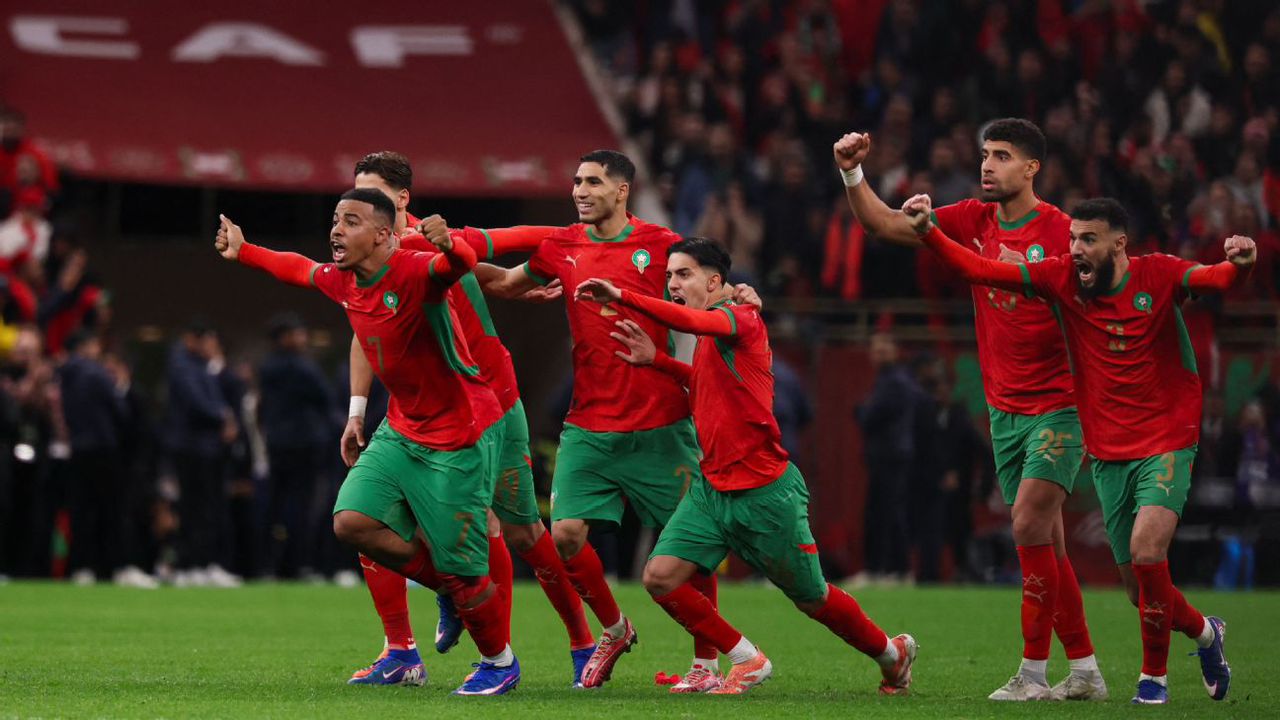
Nigeria’s Super Eagles were defeated by Morocco 4-2 in a penalty shootout after a 0-0 draw in the Africa Cup of Nations (AFCON) semi-final match on Tuesday, January 13, 2026, at the Prince Moulay Abdellah Stadium in Rabat, Morocco.
The Super Eagles, despite missing key player Wilfred Ndidi due to suspension, put up a valiant fight against the Atlas Lions, but ultimately fell short in the penalty shootout. Coach Eric Chelle expressed his disappointment over Ndidi’s absence, saying, “I’m disappointed for him because he brings so much to the team.”
The match was marked by controversy, with Nigerian fans and players criticizing the officiating of Ghanaian referee Daniel Laryea, who booked Calvin Bassey in the first half and failed to award a penalty to Nigeria. Nigerian right-back Bright Osayi-Samuel described the refereeing as “appalling” and “biased”.
“I’m disappointed in the refereeing. He made very wrong decisions. It’s painful to see that we have such referees in big games like today,” Osayi-Samuel said.
Morocco’s coach, Walid Regragui, had predicted that Ndidi’s absence would be a blow to Nigeria’s chances, saying, “Ndidi’s absence will help us. He is a pillar of their balance.”
The Super Eagles will now face Egypt in the third-place match on Saturday, January 17, 2026.
HEAD-TO-HEAD RECORD
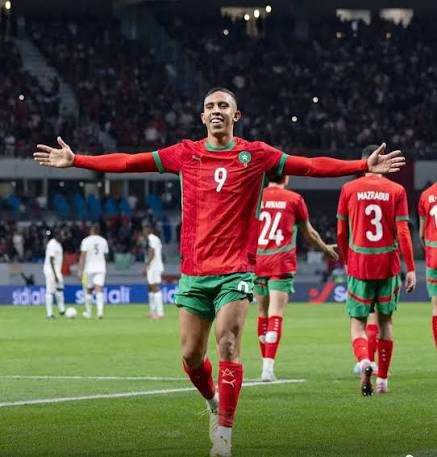
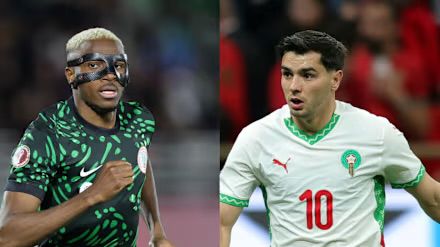
Nigeria and Morocco have played each other 11 times in history, with Morocco leading the head-to-head record 6-3-2.
– AFCON Meetings: 5 times, with Nigeria winning 2 and Morocco winning 3
– FIFA World Cup Qualifier: 2 times, with Nigeria winning 1 and Morocco winning 1
– Friendly Matches: 4 times, with Morocco winning 2 and Nigeria winning 2
LESSONS FROM MOROCCO’S SPORTS INVESTMENT
Morocco’s investment in sports infrastructure, particularly in football, has paid off, with the country producing talented players and hosting major tournaments. Nigeria can learn from Morocco’s strategies, including:
– Infrastructure Development: Morocco has upgraded its stadiums and built new ones, including the Prince Moulay Abdellah Stadium in Rabat.
– Youth Development: Morocco’s focus on youth football has helped produce talented players who contribute to the national team.
– Private Sector Involvement: Morocco has encouraged private investment in sports, with companies like Royal Air Maroc sponsoring sports events.
– Government Support: The Moroccan government has provided significant funding for sports development, including a $316 million loan from the African Development Bank for airport upgrades.
Nigeria can consider investing in similar initiatives to boost its sports development and produce talented athletes.
One thought on “Penalty Heartbreak for Nigeria as Morocco Books Final Spot”
Comments are closed.