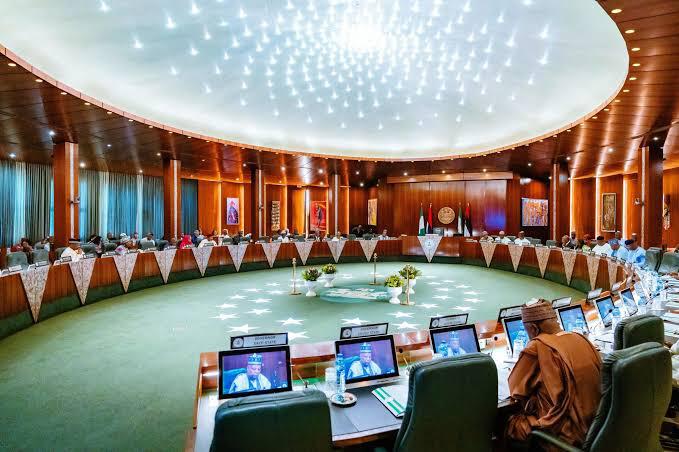
The National Economic Council (NEC) is set to meet with the Presidential Fiscal Policy and Tax Reforms Committee, led by Taiwo Oyedele, to address concerns surrounding Nigeria’s new tax laws. This move aims to clarify and implement the tax reforms effectively, promoting economic growth and fairness.
– Exemptions for Low-Income Earners: Individuals earning below N800,000 annually are no longer required to pay personal income tax.
The tax reforms aim to promote fiscal equity, reduce multiple taxation, and support sustainable economic growth. Key highlights include:
– Simplified Tax Regime: A presumptive tax regime for the informal sector is proposed to expand the tax base and reduce compliance burdens.
– Addressing Discrepancies: The committee is working to resolve discrepancies between the versions passed by the National Assembly and the gazetted laws.
– Addressing Discrepancies: The committee is working to resolve discrepancies between the versions passed by the National Assembly and the gazetted laws.
Nigeria’s tax laws have been undergoing significant changes in recent years. The current reforms, which include the Nigeria Tax Act, Nigeria Tax Administration Act, Nigeria Revenue Service Act, and Joint Revenue Board Act, were signed into law on June 26, 2025, and will take effect from January 1, 2026.
These reforms aim to simplify taxation, improve revenue collection, and align Nigeria’s tax system with global standards. The Presidential Fiscal Policy and Tax Reforms Committee was established in August 2023 to drive this process, focusing on fiscal governance, revenue transformation, and economic growth.
Nigeria’s tax system has a long history, dating back to the colonial era with laws like the Land Revenue Proclamation Law of 1904 and the Income Tax Ordinance of 1940. Since then, the country’s tax laws have continued to evolve to meet domestic needs and international best practices.