China has pushed back against growing international pressure to join nuclear disarmament talks, insisting its position remains unchanged following the expiration of the US-Russia New START treaty, the last major agreement limiting the world’s largest nuclear arsenals.
The treaty lapsed on Thursday, intensifying concerns among arms control advocates that the absence of legally binding limits could accelerate a new arms race and prompt other nuclear powers, including China, to expand their stockpiles.
Beijing said the end of New START does not alter its long-held stance, arguing that comparisons between China and the two nuclear superpowers are misplaced.
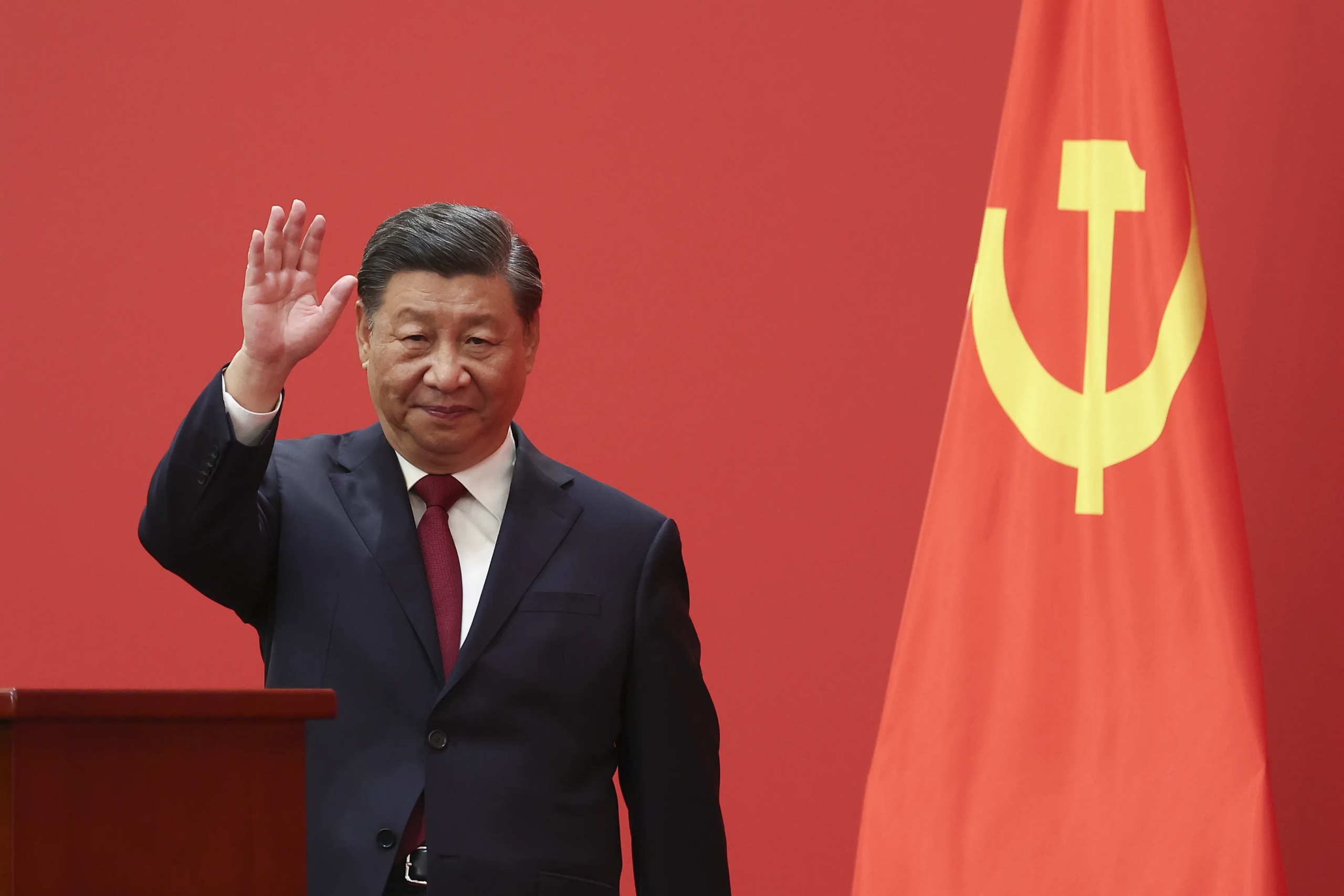
“China has always maintained that the advancement of arms control and disarmament must adhere to the principles of maintaining global strategic stability,” foreign ministry spokesman Lin Jian said at a regular news briefing.
He added: “China’s nuclear capabilities are of a totally different scale as those of the United States and Russia, and will not participate in nuclear disarmament negotiations at this stage.”
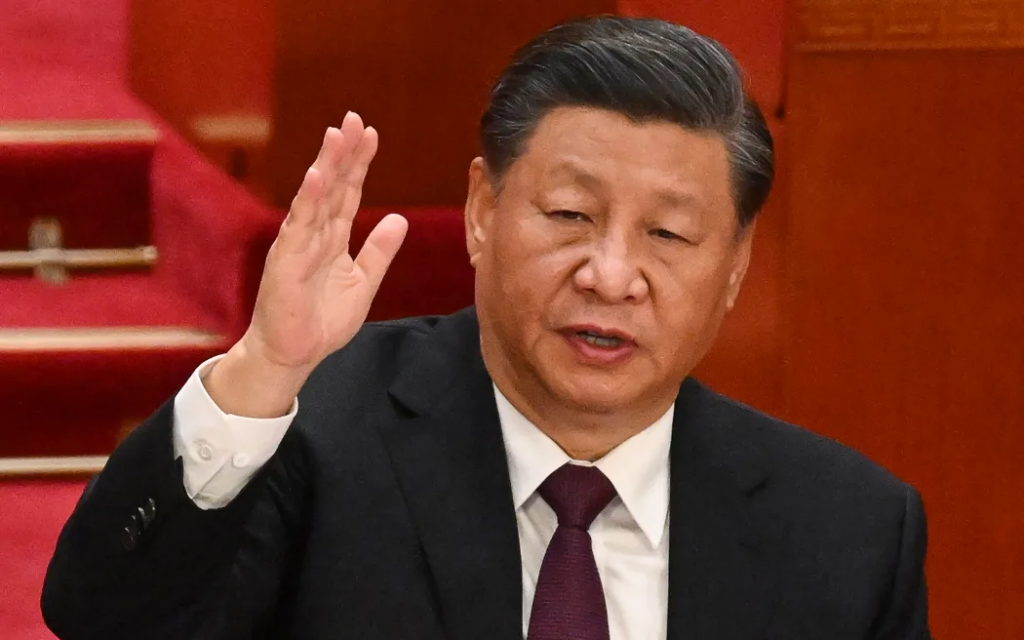
Washington has repeatedly maintained that any future arms control framework must include China, pointing to the rapid expansion of Beijing’s nuclear forces. However, diplomatic efforts to draw China into trilateral negotiations have so far made little progress.
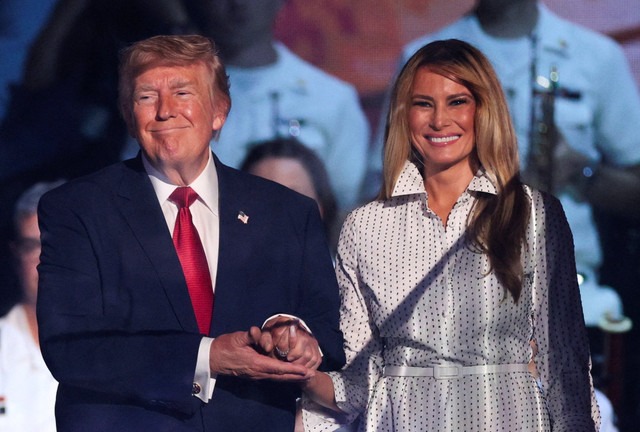
The New START treaty expired on February 5 after US President Donald Trump declined to follow up on a proposal by Russian President Vladimir Putin to extend the agreement’s warhead limits for one year. Its expiration marks the collapse of the final arms control pact governing US and Russian nuclear forces.
The United States and Russia together account for more than 80 per cent of the world’s nuclear warheads, but decades of bilateral arms agreements have steadily unraveled in recent years.
Although China’s nuclear arsenal is growing, it remains far smaller than those of Washington and Moscow. Beijing is estimated to have about 550 strategic nuclear launchers, well below the 800 launchers each allowed for the United States and Russia under New START.
Signed in 2010, New START capped deployed strategic nuclear warheads at 1,550 per side, a cut of nearly 30 per cent from limits set under a 2002 agreement. With its expiration, global nuclear arms control now faces a leadership vacuum and an uncertain future.