Burkina Faso’s ruling military junta has taken a decisive step to reshape the country’s political landscape, formally dissolving all political parties nearly three years after seizing power in a series of coups.
The decision was reached on Thursday during a cabinet meeting of the military-led government. Political parties had been under suspension since the 2022 takeover, with their activities limited to internal operations and barred from public mobilisation.
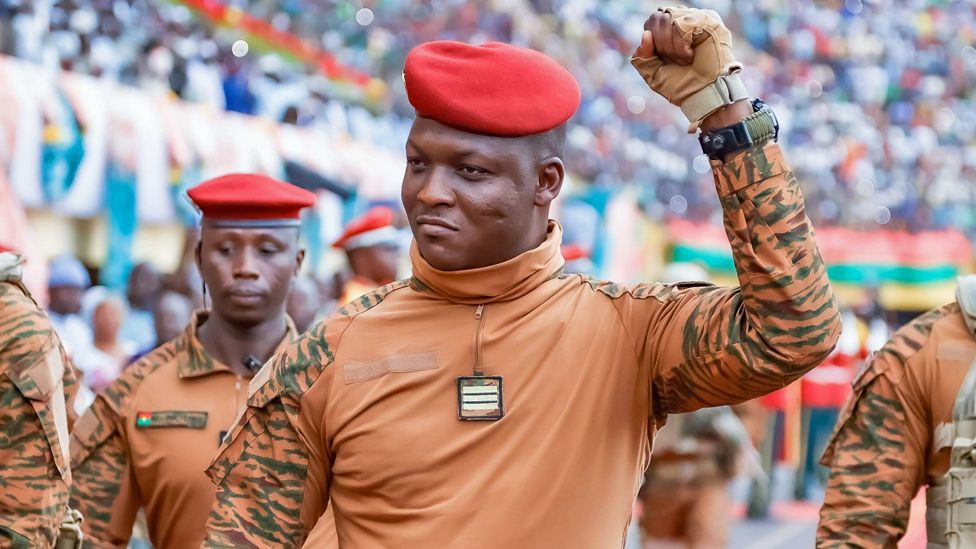
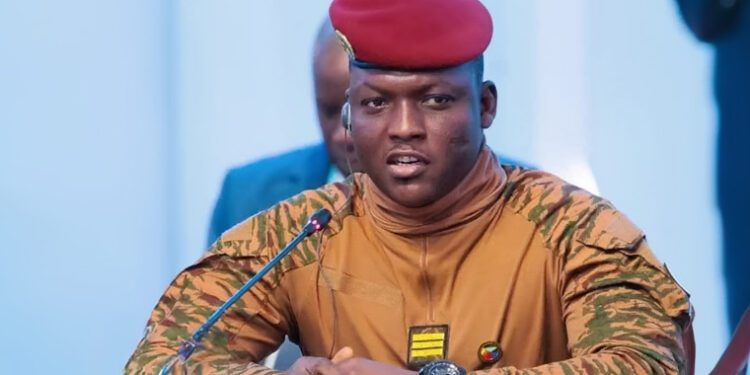
Captain Ibrahim Traoré, who assumed power in September 2022 after overthrowing an earlier junta, has steadily tightened control over political expression and dissent since his ascent.
In a statement issued by the presidency, the government defended the move as a measure aimed at restoring cohesion and stability.
“The government believes that the proliferation of political parties has led to abuses, fuelled divisions among citizens and weakened the social fabric,” the statement said.
Territorial Administration Minister Emile Zerbo said a draft law formalising the dissolution of political parties would be transmitted to the Transitional Legislative Assembly “as soon as possible.”
Zerbo added that all assets belonging to the dissolved parties would be taken over by the state.
He said the decision was designed to “preserve national unity, strengthen the coherence of government action and pave the way for reforming political governance.”
The move effectively disbands around 100 political parties, including 15 that currently have representation in the transitional parliament.
Burkina Faso has remained politically unstable since 2022, when Traoré led a coup that removed Paul-Henri Sandaogo Damiba, who had himself come to power just nine months earlier.
Damiba later went into exile in neighbouring Togo, where Burkina Faso’s military authorities repeatedly accused him of plotting coups and assassination attempts, including allegations made earlier this month.
Togo extradited Damiba to Burkina Faso this month, a development widely seen as reinforcing the junta’s determination to eliminate perceived threats to its authority.
The dissolution of political parties marks one of the most sweeping political changes under Traoré’s leadership, significantly narrowing the space for multiparty politics under military rule.