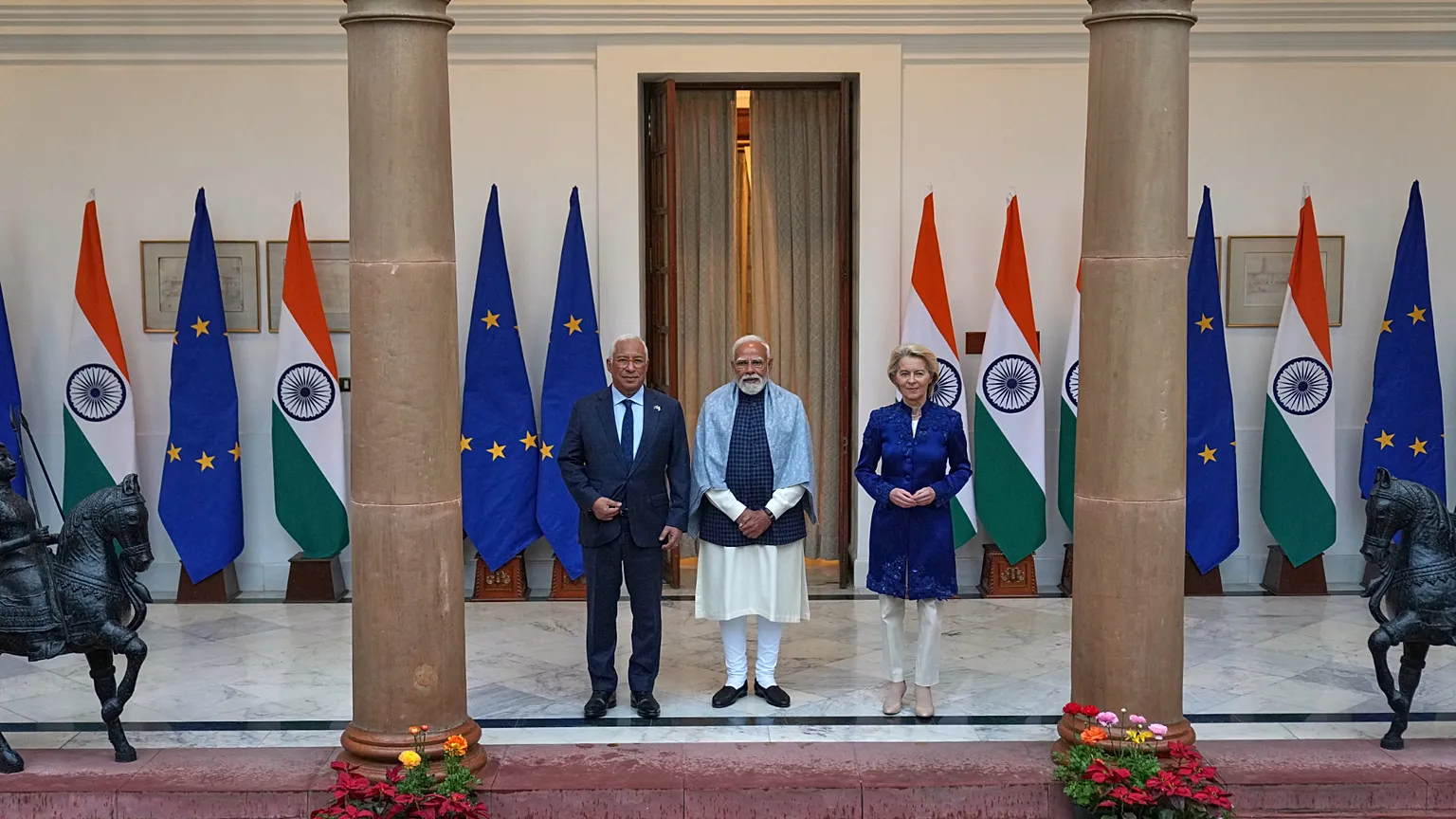
The European Union and India have finalized a historic trade agreement, ending nearly 20 years of intermittent negotiations. The pact aims to strengthen economic ties, boost trade and investment, and deepen strategic cooperation amid rising global competition and geopolitical pressures.
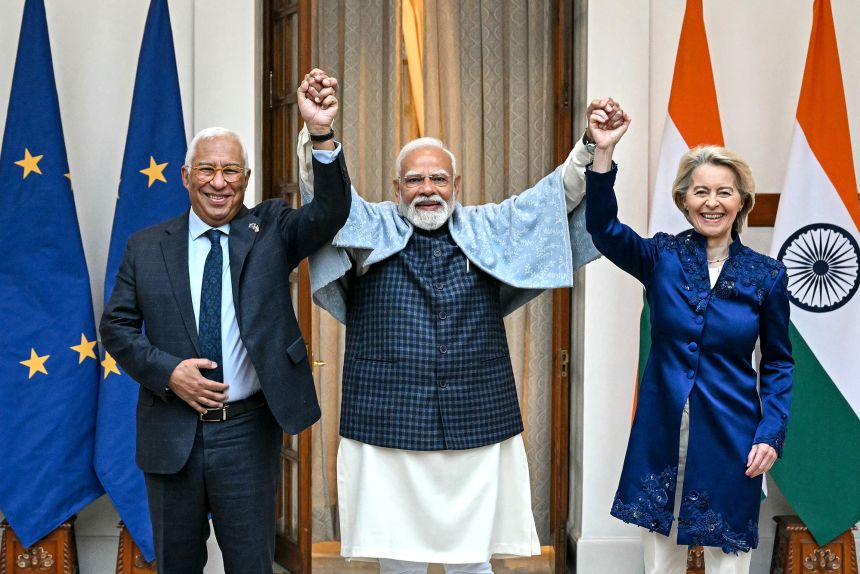
European Commission President Ursula von der Leyen described the agreement as a monumental achievement at a press briefing in Delhi.
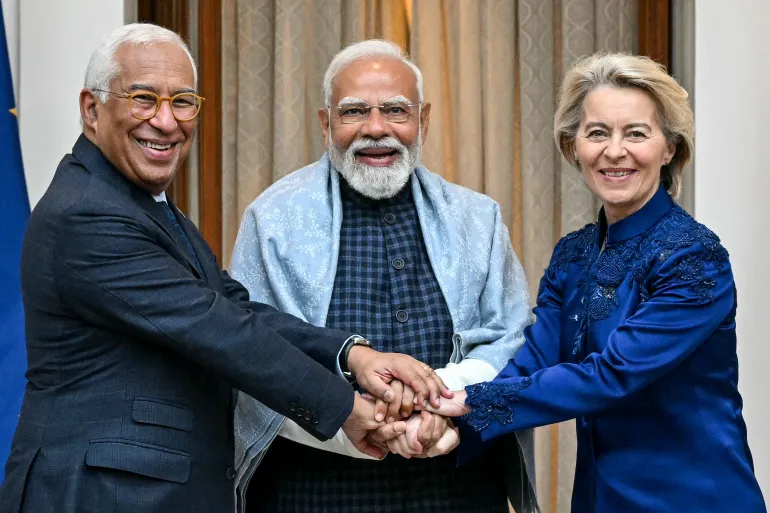
“We did it, we delivered the mother of all deals,” she said. Indian Prime Minister Narendra Modi echoed her sentiment, calling the pact “historic” and highlighting its transformative potential for trade and investment between the two regions.
The deal will facilitate largely tariff-free trade of goods and services between the EU’s 27 member states and India, which together account for nearly 25% of global GDP and a market of about two billion people.
The trade pact includes sweeping tariff reductions on European exports such as chemicals, machinery, electrical equipment, aircraft, and spacecraft.
EU motor vehicles, which currently face tariffs as high as 110% in India, will see duties cut to 10% under a quota of 250,000 vehicles annually—six times higher than the quota offered to the UK in its recent trade deal.
Indian exports will also gain preferential access to EU markets, particularly in textiles, leather, marine products, handicrafts, gems, and jewelry, while sensitive sectors such as dairy, cereals, poultry, soy meal, and select fruits and vegetables have been safeguarded to balance domestic priorities.
Consumer goods from the EU, including wine, beer, and olive oil, will also enjoy reduced tariffs.
The agreement is expected to boost investment flows, deepen supply-chain integration, and improve market access for both sides.
A mobility framework is included to facilitate short-term travel for professionals between India and EU countries.
“This is India’s biggest free trade agreement,” Modi said. “It will make access to European markets easier for India’s farmers and small businesses. It will also boost manufacturing and services sectors and foster innovative partnerships.”
European Council President António Costa joined von der Leyen in Delhi for the bilateral summit, signaling the EU’s commitment to strengthening economic and strategic ties with India amid pressures from the United States.