
A Japanese court has sentenced Tetsuya Yamagami, the man who assassinated former Prime Minister Shinzo Abe, to life imprisonment without parole.
Yamagami, 45, pleaded guilty to murder when his trial opened last year, but his sentencing drew intense national attention, reflecting deep divisions over how Japan should judge the man behind the 2022 killing.
While prosecutors portrayed him as a ruthless attacker, others cited his troubled past in calls for mercy.
At the Nara District Court on Wednesday, Judge Shinichi Tanaka described the killing as calculated and cruel.
“The act of waiting for an opportunity, finding an opening, and targeting the victim with a gun is despicable and extremely malicious,” he said in delivering the verdict.
Prosecutors had earlier told the court that the assassination was a “grave and malicious crime” that shocked a country where gun violence is extremely rare.
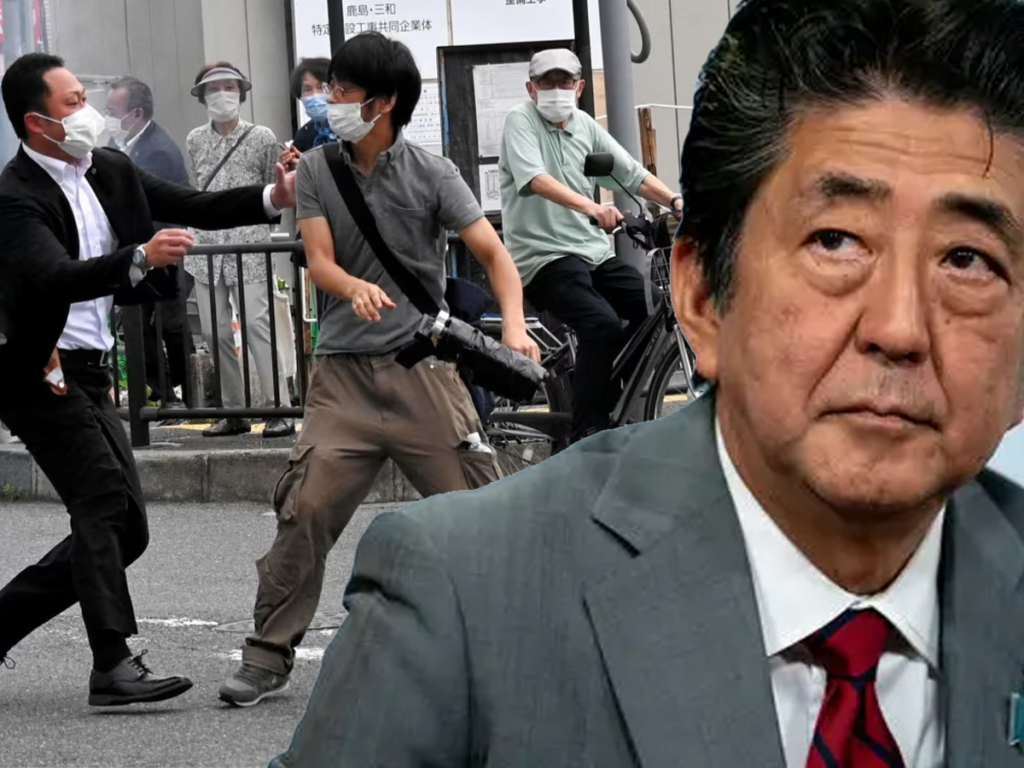
Abe was shot twice at close range during a campaign speech in Nara on 8 July 2022 with a homemade firearm fashioned from metal pipes and duct tape.
The defense urged leniency, arguing that Yamagami’s actions were shaped by years of resentment linked to his family’s involvement with the Unification Church.
Lawyers said his mother was financially ruined by donations to the controversial religious group and claimed Yamagami suffered religious abuse. The court heard that he blamed Abe for alleged ties to the church, fueling his grudge against the former leader.
Yamagami remained expressionless as the sentence was read, sitting silently with his hands clasped and eyes lowered.
Interest in the case was so intense that nearly 700 people queued for one of just 31 seats in the courtroom.
The assassination sent shockwaves far beyond the trial, prompting nationwide scrutiny of the Unification Church’s finances and its links to politicians in the ruling Liberal Democratic Party. The fallout forced several cabinet members to resign and triggered a broader debate over religion, politics, and accountability in Japan.