Nigeria is positioned to record higher revenues from liquefied natural gas (LNG) from 2026, as a wave of new global supply reshapes the market and eases the tight conditions triggered by the 2022 Russia-Ukraine war. Analysts say the shift could unlock stronger demand from major Asian buyers, notably China and India, even as prices moderate.
Global LNG output is projected to rise steadily through 2029, marking a turning point for the industry.
According to market intelligence firm Kpler, 2026 “is expected to be a transitional year for the LNG market, moving from tight supply to ample availability, even during Europe’s winter demand.”
While the increase in supply may pressure prices, it is also expected to stimulate consumption across emerging economies.
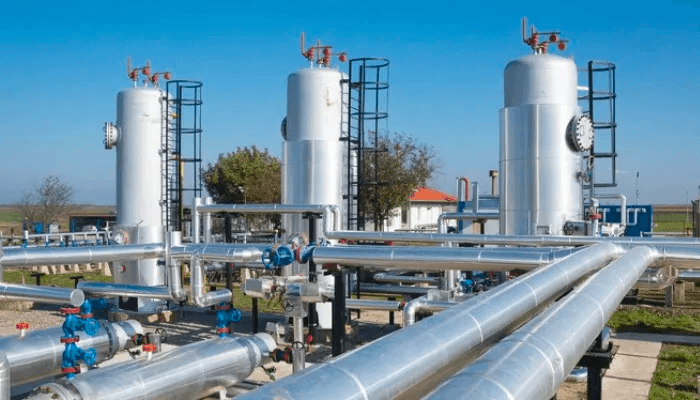
Nigeria has already begun to benefit from improved market and domestic conditions. LNG exports rebounded sharply in late 2025, reaching a five-year high of 2.1 billion cubic meters in December, driven by better gas availability and enhanced plant efficiency, data from the Nigerian Upstream Petroleum Regulatory Commission (NUPRC) show.
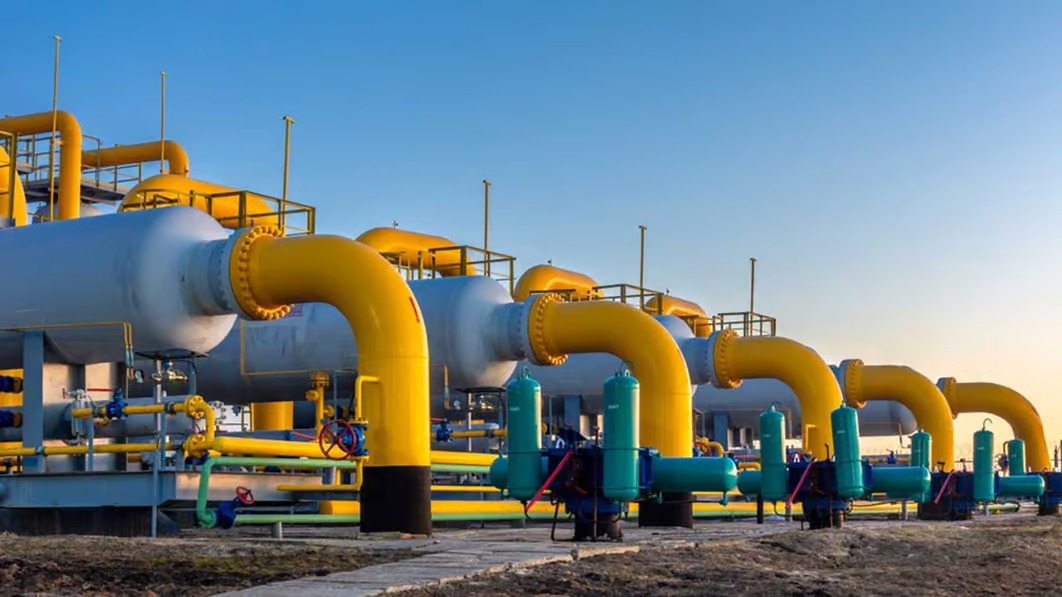
Further gains are anticipated as new capacity comes onstream. The Nigeria LNG Train 7 project, alongside critical infrastructure such as the Obiafu-Obrikom-Oben (OB3) pipeline, is expected to lift output significantly.
With proven gas reserves exceeding 210 trillion cubic feet (Tcf)—the largest in Africa—Nigeria is strengthening its position as the continent’s leading gas exporter and a strategic player in global energy supply.
On the global stage, LNG capacity is forecast to grow by up to 10% in 2026, led by expansions in the United States, Qatar, Canada and Senegal.
Analysts estimate that average Asian spot LNG prices could ease to between $9.50 and $9.90 per million British thermal units (mmBtu), down from $12.45 in 2025.
European gas prices are also expected to decline, narrowing the gap with U.S. benchmarks and tightening margins for exporters.
Demand growth, however, remains robust. China and India are expected to anchor incremental consumption, with Chinese LNG imports projected to increase by 6–7 million tons and India’s by about 5 million tons.
Europe is also set to absorb more cargoes, with LNG imports forecast to rise by 13–22 million tons as countries continue to replace Russian gas and build higher storage levels.
Nigeria, which accounted for about 5–8% of global LNG exports in early 2025, is aiming to raise annual output from roughly 22 million tons to 30 million tons through the Train 7 expansion and new long-term supply contracts.
Analysts say the combination of rising global demand and expanded domestic capacity could cement Nigeria’s role as a key supplier in an increasingly competitive and rebalanced LNG market.