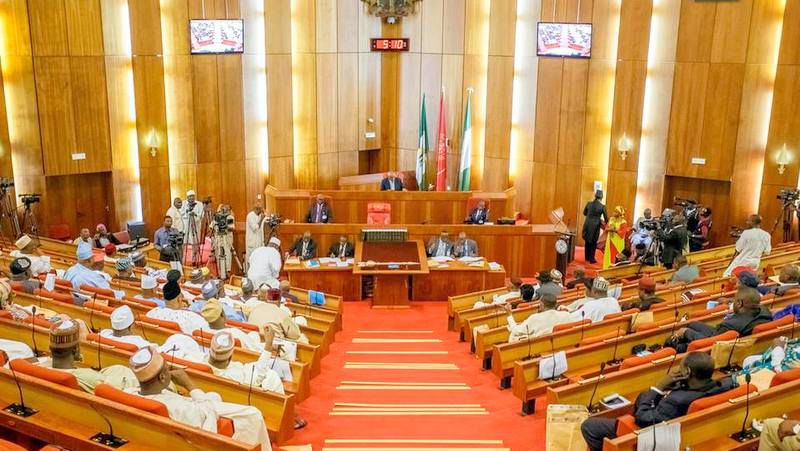
The Nigerian Senate is facing widespread criticism after rejecting a proposal to make electronic transmission of election results mandatory in the Electoral Act amendment. Critics argue that this decision undermines efforts to strengthen transparency and credibility in future elections.
The Senate retained the existing provision, allowing results to be transferred “in a manner as prescribed by the Commission”.
Senate President Godswill Akpabio clarified that the Senate didn’t remove electronic transmission, but rather removed the “real-time” requirement, citing concerns over network failures and potential legal disputes.
However, critics argue that this decision is a step backward. Former Vice President Atiku Abubakar describes the decision as a “deliberate assault on electoral transparency”.
Opposition parties and civil society organizations are calling for the Senate to reconsider, citing the need for transparency and accountability in the electoral process.
The controversy has sparked heated debate, with many wondering what this means for Nigeria’s electoral future. The Senate will hold an emergency sitting on February 10 to address the controversy.
Looking at the 9th National Assembly, Ahmed Lawan, the former Senate President, played a significant role in shaping the Electoral Act 2022. During his tenure, he clarified that the Act did not provide for electronic transmission of election results, stating that what was passed was the snapping of election results and transferring them to the Independent National Electoral Commission (INEC) server.
Lawan emphasized that the Act allowed INEC to determine the mode of transmission, rather than making electronic transmission mandatory. He also urged INEC to follow the Electoral Act and other laws in their guidelines, ensuring a smooth electoral process.
The current Senate President, Godswill Akpabio, has also clarified that the Senate didn’t reject electronic transmission entirely, but rather removed the “real-time” requirement to avoid potential legal disputes. However, critics argue that this decision has serious implications for Nigeria’s electoral future.
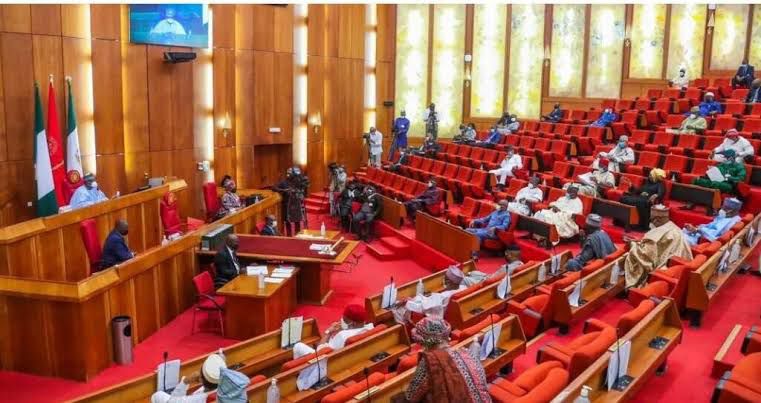
The pressure is on the Senate to address the controversy and ensure that Nigeria’s electoral process is transparent, credible, and trustworthy. The world is watching, and Nigerians are demanding answers.