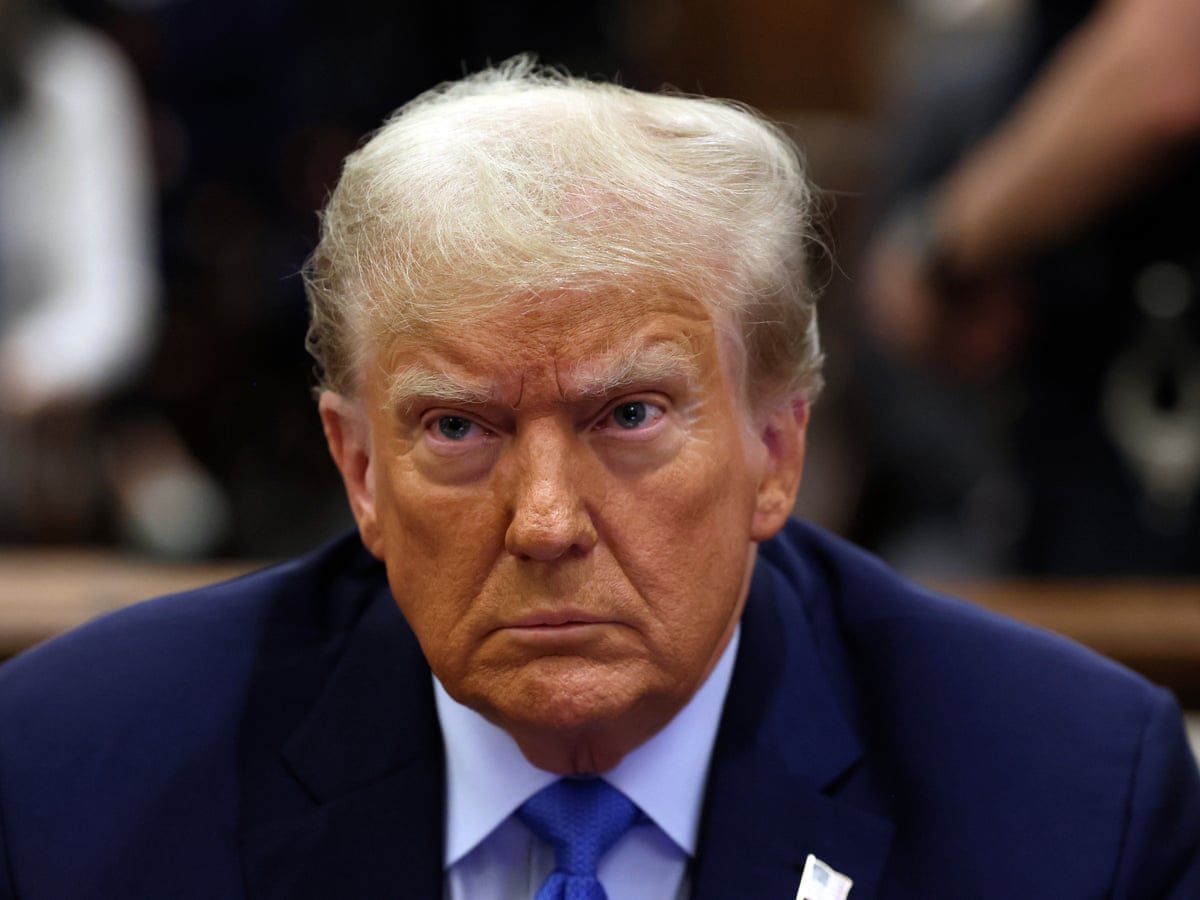
US President Donald Trump is facing criticism for his handling of the conflict with Iran, with many questioning his lack of clear objectives and exit strategy. The war, which began on February 28, has led to soaring oil prices and violence spreading across the Middle East. Trump’s decision to join Israel’s side without consulting Congress or global allies has been met with skepticism, with European allies refusing to provide aid in the Strait of Hormuz.
Meanwhile, Iran has shown no signs of surrendering, despite being weakened by airstrikes. Experts say a negotiated de-escalation is the most realistic path forward, allowing both sides to save face. As Richard Haass, president emeritus of the Council on Foreign Relations, noted, “while the United States initiated this conflict on its own, it will require both Israel and Iran to sign on to stopping it”.
Trump said the U.S.‑Israel operations are “proceeding very well” and Iran will need “about 10 years to rebuild.” He pledged the U.S. will exit “in the very near future” and said the conflict ends “when I feel it in my bones,” while dismissing allies and telling NATO the U.S. “doesn’t need their help.”