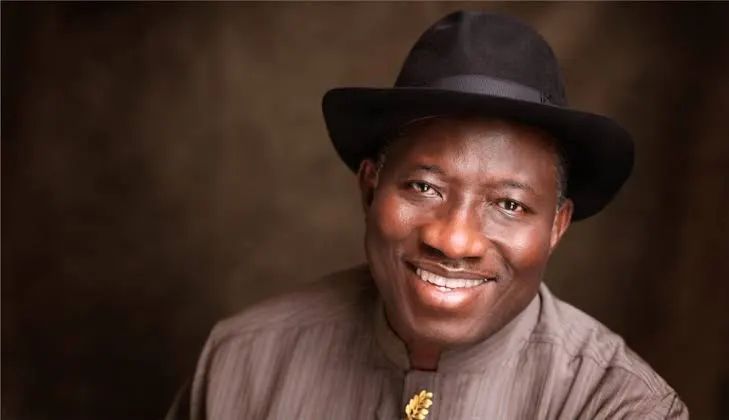
A Federal High Court in Abuja will hear a suit today seeking to bar former President Goodluck Jonathan from contesting the 2027 presidential election, setting the stage for a fresh constitutional showdown.
The case questions whether Jonathan is eligible to run again, reviving a debate over Nigeria’s two-term limit and its application to a leader who served part of a term before winning a full term in 2011.
Plaintiffs argue that allowing Jonathan back on the ballot would violate Section 137 of the 1999 Constitution. They want the court to clarify the issue now to prevent a post-election legal crisis.
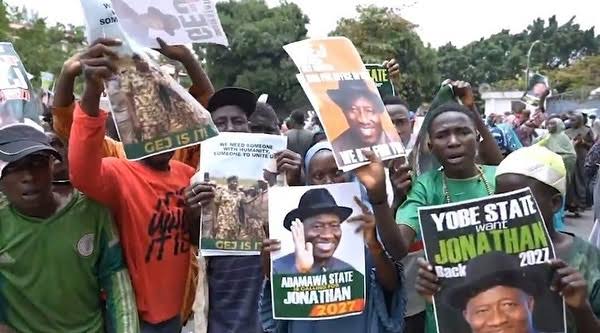
The suit gains traction after Jonathan told supporters this yweek that he would “consult widely” before deciding on 2027. It’s the first time since leaving office in 2015 that he has left the door open to a comeback.
History of conflicting signals
In Jan 2011, Jonathan told Nigerians in Addis Ababa he would not contest the 2015 election and that a proposed single 6-year term was “not to pursue any personal interest and he will not be a beneficiary”.
After losing to Buhari in 2015, he conceded defeat and stepped down. For years he denied plans to return, rejecting APC nomination forms bought for him in 2022.
His wife, former First Lady Patience Jonathan, has also distanced the family from a return. In Dec 2019 she said, “I don’t want to be First Lady again. God has called me to serve the people in a different capacity.” She later voiced support for President Tinubu in Oct 2023, stating, “The election is over, governance has started. Let us all support our President.”
Legal analysts say the court’s decision will likely hinge on how it interprets the 2018 constitutional amendment on term limits and whether it applies retroactively.
If the court blocks Jonathan, it would reshape opposition calculations for 2027. If it clears him, the ruling could trigger a scramble among parties to court his candidacy.
The hearing is expected to draw lawyers, political stakeholders, and civil society groups watching for signals on how the judiciary will handle elite bargains ahead of the next election cycle.