The Federal Government has filed a three-count criminal charge against former Kaduna State governor, Nasir El-Rufai, over the alleged unlawful interception of phone communications belonging to the National Security Adviser (NSA), Nuhu Ribadu.
The charges were instituted by the Federal Government through the Department of State Services (DSS) at the Federal High Court, Abuja Judicial Division.
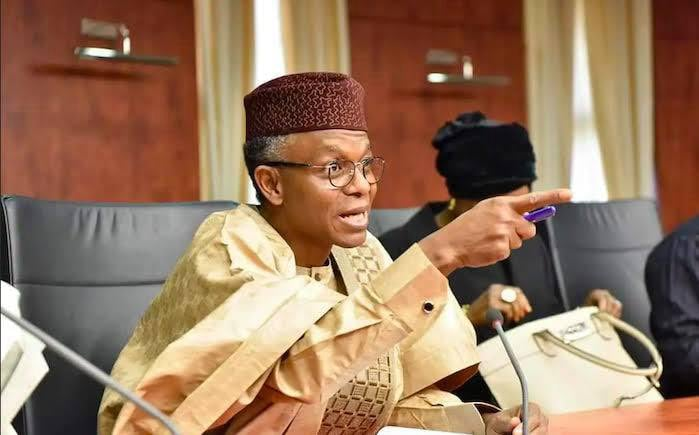
According to the charge sheet filed on Monday, prosecutors allege that El-Rufai admitted during a televised interview that he and others listened to conversations from the NSA’s phone after it was allegedly tapped by a third party.
In the earlier interview on national television, El-Rufai reportedly claimed that he and unnamed associates accessed conversations from Ribadu’s phone. While acknowledging that such interception was unlawful, he argued that illegal surveillance was not uncommon.
Details of the Charges
In Count One, the Federal Government alleges that on February 13, 2026, during a national television appearance in Abuja, El-Rufai admitted to unlawfully intercepting the phone communications of the National Security Adviser. The alleged offence is said to be contrary to Section 12(1) of the Cybercrimes (Prohibition, Prevention, etc.) Amendment Act, 2024.
Count Two accuses the former governor of stating during the same interview that he knew and associated with individuals who unlawfully intercepted the NSA’s phone communications without reporting them to relevant authorities. Prosecutors argue that this action violates Section 27(b) of the Cybercrimes Amendment Act, 2024.
In Count Three, the government alleges that El-Rufai and others still at large, sometime in 2026 in Abuja, used technical equipment or systems to intercept the NSA’s phone communications. The prosecution maintains that the act compromised public safety and national security, creating reasonable apprehension of insecurity among Nigerians, contrary to Section 131(2) of the Nigerian Communications Act, 2003.