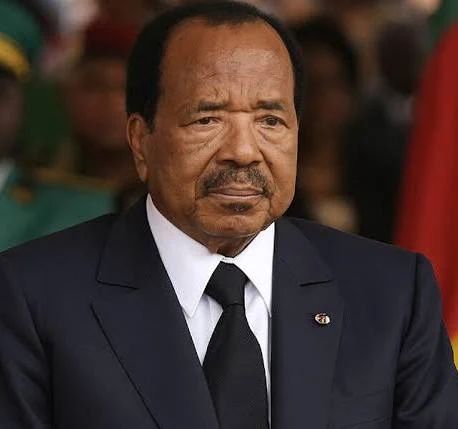
After 42 years at the helm, Cameroon’s President Paul Biya is moving to create a vice‑presidency for the first time, a shift pushed through parliament last week amid heated debate.
Biya, 93 and the world’s oldest sitting leader, has governed since 1982 without a deputy. The constitutional amendment approved by the ruling CPDM supermajority and denounced by opposition MPs as a succession maneuver establishes a post appointed by the president and endorsed by parliament. No nominee has been named.
The government calls it modernization and continuity; critics see it as housekeeping for an eventual exit. Opposition figures walked out of the vote, calling the process opaque, while civil‑society groups warned it centralizes power further. Markets were flat and streets calm, but analysts say the move redraws Cameroon’s political map ahead of the 2025‑2027 cycle. Biya has not commented directly on whether the vice‑president would be a long‑term stand‑in or simply a new relay in a four‑decade sprint.
Critics frame Biya’s 43‑year rule as an entrenched, one‑man system calling the VP slot “succession housekeeping” that extends personal control rather than modernizes governance. They say the amendment confirms a lifelong reluctance to delegate and does little to open political space, with civil‑society notes calling it opaque power‑tinkering by a leader who has never shared the cockpit.