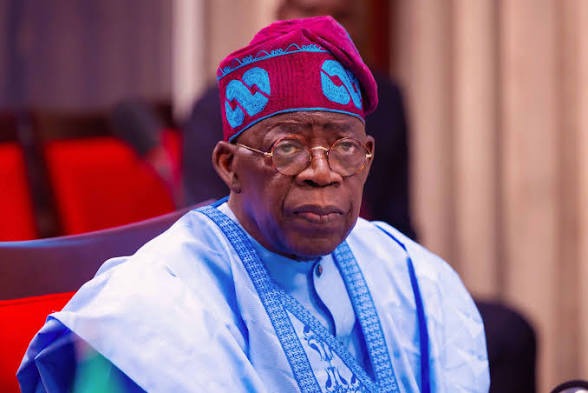
President Bola Ahmed Tinubu on Friday marked three years in office with a defence of his economic reforms, saying they have stabilised Nigeria and revived investor confidence, even as Nigerians grapple with high costs of living and public debt hits N159.28 trillion.
In an anniversary statement, Tinubu said the “painful but necessary” reforms introduced since May 2023 were beginning to yield results. He cited a near fivefold surge in the stock market to a record 250,000 points, rising market capitalisation, and increased infrastructure spending.
“Today, I can say with confidence that Nigeria has stabilised and is moving forward again. Across the country, visible progress is taking shape,” the President said.
Infrastructure and Investment
Tinubu listed more than 2,700km of roads under construction or rehabilitation, ongoing rail upgrades, and new investments in oil and gas as key wins. He said reforms had lifted domestic refining, cut fuel imports, and eased pressure on foreign exchange.
The administration is also working to clear N4 trillion in power sector debts and expand transmission capacity, with better electricity supply described as “key to growth”.
Admission of Hardship
The President acknowledged the toll of his policies. The removal of petrol subsidy, cuts to electricity subsidies, and devaluation of the naira have triggered what he called “the worst cost-of-living crisis in a generation”.
“Painful reforms were beginning to yield macroeconomic gains stronger public finances, rising market confidence and fresh investment,” he said, urging Nigerians to “stay the course”.
Debt Profile Under Tinubu
According to the Debt Management Office, Nigeria’s total public debt stood at N87.38 trillion as of June 30, 2023, when Tinubu took office. By December 31, 2025, the debt had risen to N159.28 trillion, a 219% increase from N49.85 trillion at end of March 2023.
DMO said the jump was driven largely by naira depreciation from N460.35/$ in March 2023 to N1,435.26/$ at end 2025. In dollar terms, external debt rose 21.5% from $42.67 billion to $51.85 billion.
The Federal Government borrowed N20.1 trillion from domestic investors in Tinubu’s first year alone, up 117% year-on-year.
Critics Think Differently
Opposition leaders and civil society groups released counter-statements Friday, saying the reforms had deepened poverty and insecurity rather than deliver “renewed hope”.
Former Vice President Atiku Abubakar, ADC presidential candidate, said: “Three years ago, President Tinubu promised renewed hope. What Nigerians have received instead is renewed hardship, renewed insecurity, renewed poverty, and renewed hopelessness”. He added that “millions can no longer afford basic necessities” and “never in recent history have so many Nigerians worked so hard only to become poorer”.
The African Democratic Congress called Tinubu’s reported 30.2% approval rating “a mark of total failure”, citing a survey showing 47.5% of Nigerians disapprove of his performance and believe living conditions have worsened since 2023.
SDP’s Adewole Adebayo attacked the debt profile, claiming: “Trillions saved from subsidy have disappeared. The government has borrowed more money than Nigeria borrowed since independence, yet contractors remain unpaid”. He also criticised concentration of contracts on Lagos-Calabar and Badagry-Sokoto highways.
Afenifere warned of “tampering with democratic federalism” and said the administration had bred “poverty, unemployment, mass killings and kidnappings”.
Security and 2027 Bid
On security, Tinubu said operations against banditry, communal violence, separatist agitation, and the 17-year insurgency in the Northeast had intensified, with “some gains despite ongoing challenges”.
The President, who won APC primaries overwhelmingly with 11 million votes, is seeking re-election in January 2027. He said the “foundation for recovery has been laid” and the benefits of reform would become more visible over time.