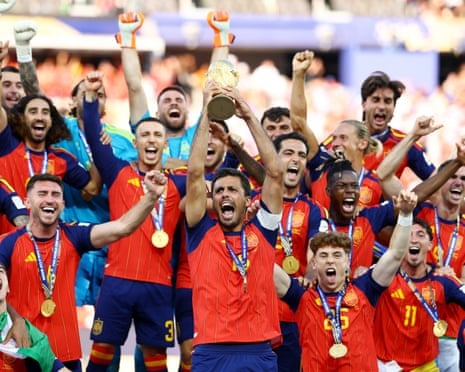
Spain defeated Argentina 1-0 in extra time at MetLife Stadium on Sunday to win the FIFA World Cup 2026. It secures the nation’s second world title, 16 years after their triumph in South Africa.
The victory also propelled Spain back to No.1 in the FIFA World Ranking for the first time in 11 years.
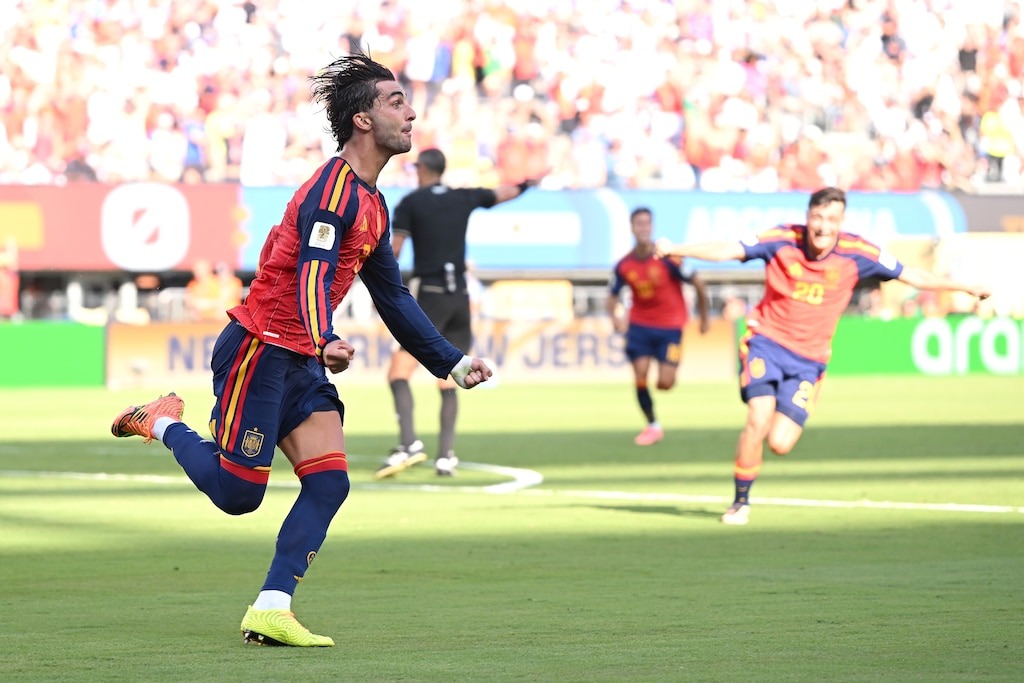
The winner came in the 106th minute. Substitute Ferran Torres fired home on the rebound after a Nico Williams effort was parried.
The goal broke the deadlock early in the second period of extra time. It was Torres’ first goal of the tournament and proved enough to sink 10-man Argentina.
Argentina’s task was made harder late in regulation. Midfielder Enzo Fernández was sent off in second-half stoppage time after picking up a second yellow card for a challenge on Pau Cubarsí.
This is not the Spain of 2010. That team won through patience and possession alone. This version blends tiki-taka control with new-found speed and directness.
The balance between youth and experience has been key. Teenagers Lamine Yamal and Nico Williams have given Spain the wing pace it has lacked for a decade.
Williams provided the assist for Torres’ winner with a headed knockdown. In midfield, Pedri and Gavi dictate tempo, while Ballon d’Or winner Rodri anchors the side.
Around them, Dani Olmo, Aymeric Laporte and Unai Simón provide the steel needed on the biggest stage.
Spain topped World Cup 2026 Group H with two wins and a draw before navigating the knockout rounds. Their depth has been just as important. From Martin Zubimendi and Mikel Merino to Ferran Torres and Mikel Oyarzabal, Luis de la Fuente has had two world-class options for almost every position.
Money Behind the Success
The rise has not happened by accident. The Royal Spanish Football Federation runs on a €380-€390M annual budget.
That money funds what matters. €93.9M goes yearly to grassroots and non-professional football. Another €10.6M funds the “Cantera con valores” youth program.
La Liga adds €51M per year to the sports ministry and €58.7M to RFEF for infrastructure.
That investment shows. It’s why players like Yamal, Gavi, Pedri and Cubarsí came through elite academies. It’s why Spain can now dominate possession and hurt teams on the break. It’s also why the women’s team is ranked No.1 globally too.
On June 11, FIFA listed Spain as the world’s top-ranked men’s team with 1,965.61 points. Their highest standing since March 1998.
What makes this team remarkable is evolution, not revolution. Spain kept their technical identity but added verticality.
A youth explosion gave them energy. A deep squad gave them options. And consistent funding gave them trophies.
With the World Cup back in Madrid and the No.1 ranking secured, the message is clear.
The golden era did not end in 2012. It has simply entered a new chapter.