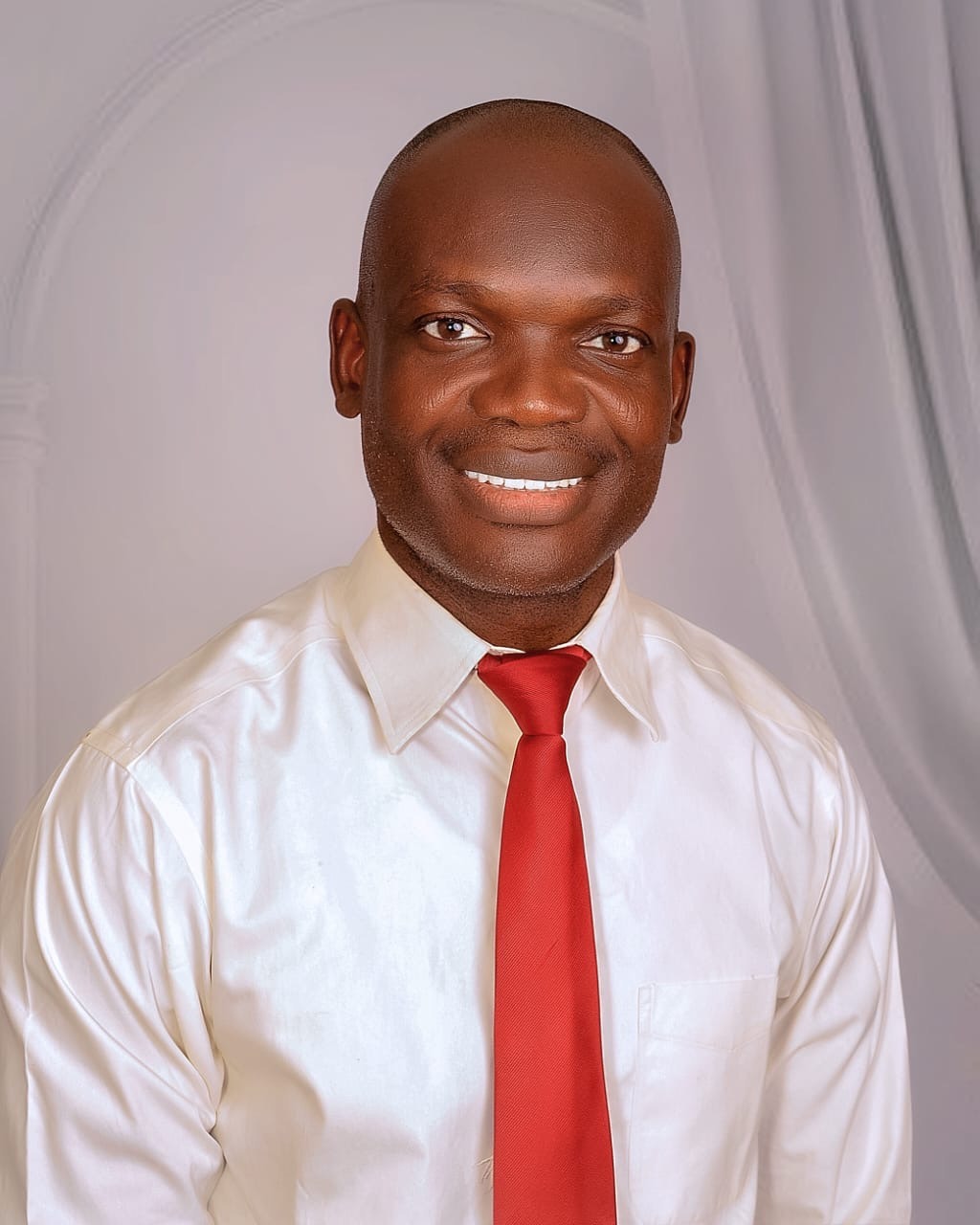
By Comrade Johnson ADAMOLEKUN
The philosophy of progressive politics in Nigeria traces back to Chief Obafemi Awolowo’s tenure as Premier of the Old Western Region between 1952 and 1959. Developed with a core group of like-minded comrades, the ideology was anchored on democratic socialism and the welfare state, as outlined in the Action Group’s policy paper.
In his book The Mental Magnitude (1981), Chief Akin Omoboriowo identified four pillars of the party’s 1952 manifesto: free and compulsory education, free health care, agricultural development, and the pursuit of “life more abundant” and general happiness for citizens.
Omoboriowo linked these pillars to George Berkeley’s theory of tabula rasa, arguing that Awolowo believed in human capacity to achieve greatness when provided with health care, education, and a stable environment. This framework, he said, formed the nucleus of progressive politics under Awolowo and his disciples.
The model influenced successive leaders across the Southwest. In Ondo State, Governor Adekunle Ajasin pursued industrialisation and social programmes, while refusing to use state resources for personal gain. Similar testimonies emerged about Bola Ige in Oyo, Ambrose Ali in Bendel, and Onabanjo in Ogun. Their values, the writer noted, shaped a generation’s sense of public morality, though many have eroded due to ideological diffusion and indiscriminate cross-carpeting.
Contemporary Challenge Within the APC
The article argues that some current APC members claim the progressive label without upholding its substance. It contends that the influx of conservative politicians into the party has weakened its ideological identity.
“Imagine having crops of conservative elements now formed major stakeholders in the progressive fold,” the writer stated. He warned that the political approach of President Bola Ahmed Tinubu could damage the APC’s standing in the long term.
Two Characters in Perspective
The piece contrasts President Tinubu and former Ekiti Governor Dr. Kayode Fayemi as representatives of different political traditions within the progressive fold.
Tinubu is described as a modern capitalist with a bold development vision. Fayemi is characterised as a democratic socialist in the Awolowo tradition, whose welfare policies in Ekiti were later adopted by other states and the Federal Ministry of Humanitarian Affairs under President Buhari.
While commending Tinubu’s introduction of NELFUND and CNG vehicle initiatives, the writer said the administration should have invested more aggressively in social welfare to cushion the effects of subsidy removal and foreign exchange reforms. “With the quantum of the hardship the downtrodden are going through, the aggression should have been more,” the article stated.
Call for Ideological Reorientation
While commending Tinubu’s introduction of NELFUND and CNG vehicle initiatives, the writer said the administration should have invested more aggressively in social welfare to cushion the effects of subsidy removal and foreign exchange reforms. “With the quantum of the hardship the downtrodden are going through, the aggression should have been more,” the article stated.
The article concludes that true progressive politics requires democratic socialism focused on utilitarian welfare, social enablement, and the reduction of class gaps. It rejects practices such as vote-buying, political violence, and the distribution of patronage that undermines productive livelihoods.
To address the drift, the writer recommended constitutional and political reforms over constant electoral reforms, which he described as elite manipulation. He called for laws aligning politicians with social values and a clear ideological blend of socialism and liberalism suited to Nigeria’s context.
He also urged recent defectors to the APC from the PDP to study Awolowo’s philosophy, and suggested the party engage scholars like Professor Akin Makinde of Ado Ekiti to train new recruits and shape its ideological direction.
Comrade Johnson ADAMOLEKUN is a former Union Leader at Obafemi Awolowo University, Ile-Ife, a Building Consultant, Politician, Political and Social Activist, Welfare Socialist, and Member of the APC.