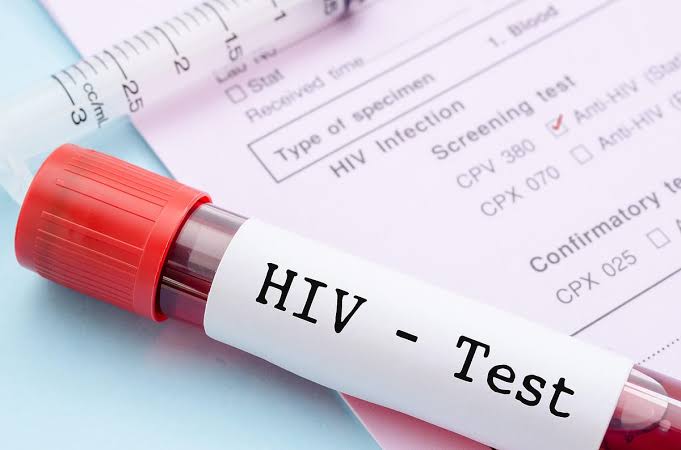
Nigeria recorded more than 102,000 new HIV infections in 2025 across the 36 states and the Federal Capital Territory, according to new figures released by the Federal Ministry of Health and Social Welfare with Lagos State leading the list.
Data from the State of the Health of the Nation Report 2025 shows that Lagos State accounted for the highest number of new cases, with 10,430 infections documented within the year.
The report, which provides a state-by-state breakdown of newly recorded HIV infections, underscores the continued geographical spread of the epidemic despite years of intensified prevention efforts by the Federal Government and its partners.
Rivers State ranked second with 6,287 new infections, followed closely by Kano State with 6,106 cases. Akwa Ibom recorded 5,413 new infections, while Taraba and Benue registered 4,854 and 4,804 cases respectively.
Other states with high figures include Anambra, which accounted for 4,468 new infections, Kaduna with 3,659 cases, and Adamawa with 2,989 infections. The Federal Capital Territory recorded 2,764 new cases in 2025.
Drivers of Transmission
Health experts say new infections persist largely among younger people and key populations engaging in high-risk behaviors. A study of newly diagnosed patients at Lagos University Teaching Hospital found 23.5% had recent infections, indicating active transmission. Recent infections were linked to younger age, being single, lower education, multiple sexual partners, same-sex or bisexual relationships, alcohol use, and injecting drug use.
Key populations including female sex workers, men who have sex with men, and people who inject drugs make up less than 1% of Lagos State’s population but account for 48.1% of new HIV infections. Female sex workers recorded the highest incidence rate at 2.11%.
Nationwide, unprotected heterosexual intercourse remains the main mode of transmission, alongside mother-to-child transmission, sharing of needles, and unsafe blood transfusions. Low HIV testing rates among adolescents and young adults just 19-22% also fuel spread.
Why Lagos Leads
Lagos’s position is tied to its status as Nigeria’s commercial hub with over 20 million residents, the largest concentration of key populations, high mobility, and broader testing/reporting capacity compared to other states.
UNAIDS warns that interruptions in prevention services could lead to a rise in new infections, particularly in high-burden countries like Nigeria.
Declining Trend
Despite the 2025 figures, national data shows a sharp decline from the 464,382 new infections recorded in 2020. New cases fell to 451,407 in 2021, 330,681 in 2022, 238,752 in 2023, 143,665 in 2024, and 111,476 in 2025. Historical data shows infections among adults aged 15-49 alone peaked at 160,000 in 1996.
The National Agency for the Control of AIDS has cautioned that state-level figures often reflect
HIV positivity from routine testing, not modeled incidence estimates, and are influenced by testing coverage.
Health officials said the State of the Health of the Nation Report 2025 will guide targeted interventions.
Researchers stress that identifying recent infections is essential for understanding transmission patterns, with calls for intensified prevention targeting youth, key populations, and high-risk behaviors.