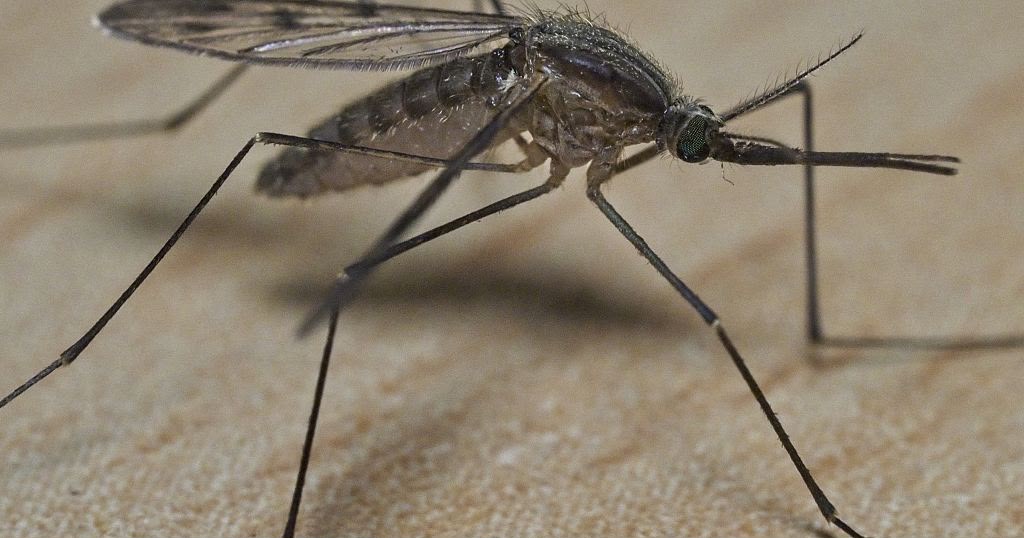
“Back in the days when I used Ota Pia-Pia, the locally made insecticide popularly called ‘kill and dry’, mosquitoes stayed far away from homes. But these newly manufactured insecticides are more mosquito-friendly these days,” said Jonah John, an Abuja resident, capturing a sentiment spreading across Nigerian households.
His complaint mirrors what many families are now saying: common mosquito coils and sprays no longer kill like they used to. Lab studies and resident accounts show mosquito mortality from pyrethroid-based coils now averages between 24% and 64%, far below the 90%+ rate consumers expect. Mrs. Queen Oche, a 32-year-old mother in Abuja, explicitly stated that she had tested products from top pharmaceutical stores but was consistently disappointed. She reported that she transitioned to using local, unregulated insecticides mixed with kerosene because notable brand-name insecticides stopped working.
Entomologists attribute the drop to widespread pyrethroid resistance. Research across Kano, Niger Delta, Gombe, Ogun and Oyo states confirms Anopheles mosquitoes have developed high resistance to permethrin, deltamethrin and DDT. The “kdr mutation” responsible for resistance is now present in up to 45% of mosquito populations in some areas.
The Standards Organisation of Nigeria, SON, reinforced the concern 16 days ago when it confiscated N35.8m worth of “fake and harmful mosquito coils” in Kano following complaints about poor performance and health risks.
Bed Nets Also Rejected Over Heat, Poor Power
Even as the Federal Government has distributed over 320 million insecticide-treated nets since 2009, usage remains low. Beneficiaries cite heat from constant power outages and lack of sleeping space as key barriers.
“The heat that comes as a result of poor power supply makes me no longer use them. We would wake up at night drenched in sweat,” one Lagos resident told PUNCH Healthwise in 2025. Doctors at LUTH Lagos confirmed heat and lack of ventilation make nets unbearable for many families.
Usage data shows less than half of targeted populations actually sleep under nets. The result: 24 million Nigerians tested positive for malaria between January and September 2025, according to federal health records.
Fake Products, Health Fears Compound Problem
Beyond resistance, Nigerians also complain about substandard imports. SON warns some coils contain chemicals linked to lung cancer. Health studies further link prolonged coil smoke exposure to asthma, persistent sneezing in children, and lung damage in animal models.
Experts Push New Formulations
To counter resistance, researchers and the National Malaria Elimination Programme now recommend nets and sprays containing PBO synergists, or switching active ingredients to organophosphates like pirimiphos-methyl. Regular pyrethroid-only products are increasingly seen as ineffective against Nigeria’s tougher mosquito populations.